
Blog
Outboard Motor Maintenance & Installation Guide (with Expert Tips & Best Practices)

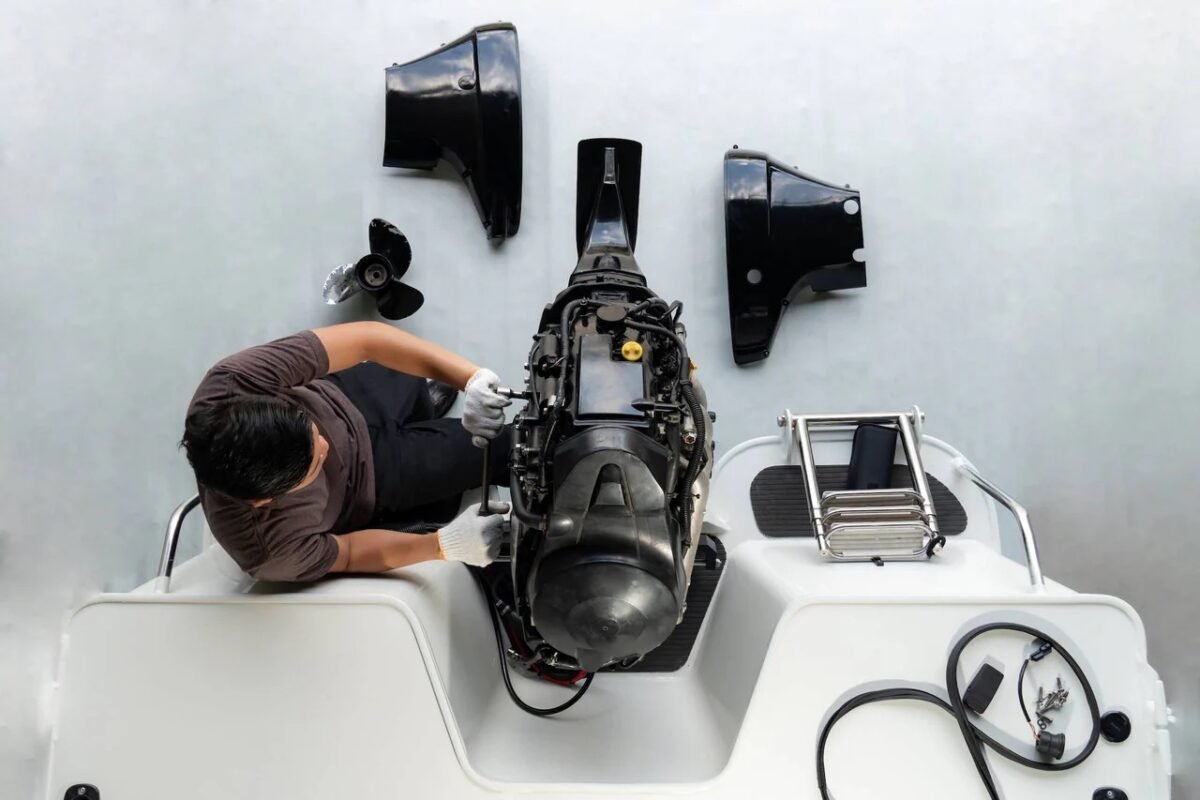
If you own a boat powered by an outboard motor, you know how essential proper care and setup are to performance, reliability, and longevity. In this guide, we’ll walk you through practical maintenance tips and step-by-step installation instructions that keep your engine running strong season after season.
Whether you ride with a Yamaha, Suzuki, Honda, Tohatsu, or a used engine, this article helps you maintain peak performance with confidence.
🛠️ Why Maintenance and Installation Matter
Proper maintenance and correct installation help you:
✅ Prevent costly repairs
✅ Maximize fuel efficiency
✅ Improve performance
✅ Extend engine lifespan
✅ Boost resale value
Skimping on maintenance can quickly lead to breakdowns — especially in saltwater environments.
🔧 Essential Outboard Motor Maintenance Tips
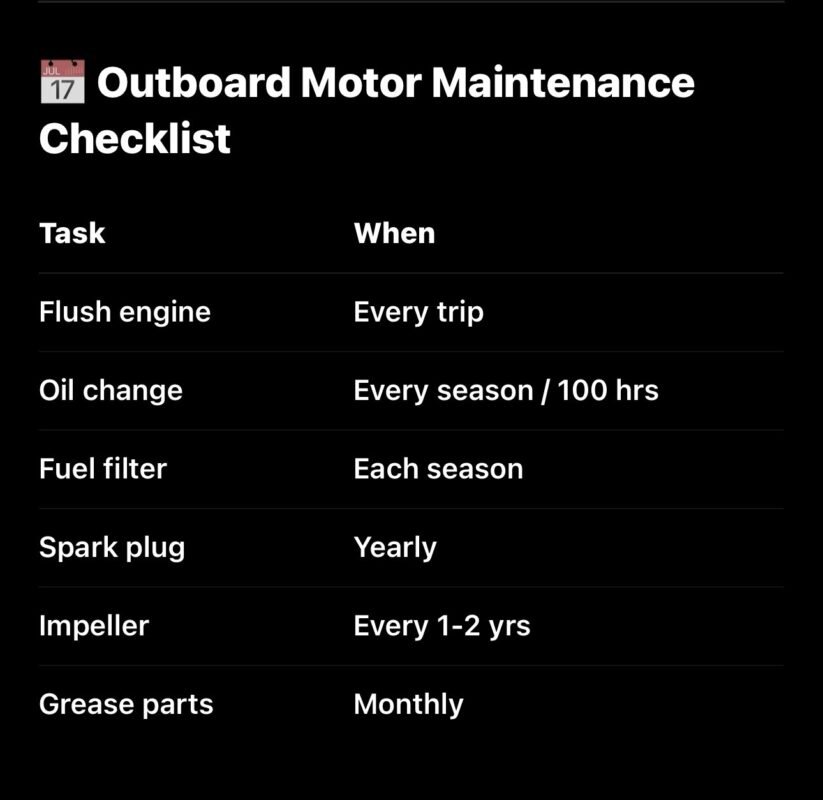
1. Flush the Engine After Every Trip
Salt, sand, and debris can quickly harm your cooling system.
How to flush:
Attach freshwater flushing muffs or use onboard flush ports Run engine for 10–15 minutes Confirm a steady water stream from the tell-tale (pee hole)
This step is especially important if you’ve used a Yamaha outboard motor in saltwater.
2. Change Engine Oil Regularly (4-Stroke Engines)
Old oil leads to increased wear and poor lubrication.
✔ Check oil before each trip
✔ Change every 100 hours or at least once a season
✔ Replace oil filter at every oil change
3. Inspect the Fuel System
Fuel issues are the most common cause of outboard engine problems.
Check for:
Cracked fuel lines Loose clamps Water in fuel separators Dirty fuel filters
A fuel stabilizer is essential if you won’t use the engine frequently.
This applies to all engines, including Suzuki outboard motors and Honda outboard motors.
4. Replace Spark Plugs Annually
Worn spark plugs can cause:
Hard starting Reduced acceleration Increased fuel consumption
Replace them once a year or per the manufacturer’s interval.
5. Monitor the Cooling System
Overheating robs power and causes severe engine damage.
Tips:
Watch the tell-tale water stream Replace impeller every 1–2 years Remove debris from intakes
This is especially crucial for older engines like used outboard motors for sale.
6. Grease and Lubricate Moving Parts
Lubricate:
Steering components Throttle and shift linkages Tilt/trim pivots
Use marine-grade grease to prevent rust and ensure smooth operation.
7. Proper Storage Between Seasons
Correct storage protects your engine when not in use:
✔ Keep the engine upright
✔ Fog internal components for long idle periods
✔ Disconnect the battery
✔ Cover the motor
⚙️ Outboard Motor Installation Made Simple
Proper installation ensures safety, performance, and long engine life.
🚤 Step 1: Mount the Motor Correctly
Center the motor on the transom. Align the cavitation plate with the boat’s bottom. Check height — correct elevation avoids ventilation.
Always start with securing a solid foundation.
📍 Step 2: Secure Mounting Bolts
Use marine-grade stainless bolts and marine sealant to avoid leaks.
Tip: Tighten bolts evenly to maintain balance.
📞 Step 3: Connect the Steering System
Whether you’re installing a mechanical cable or a hydraulic setup:
Ensure smooth movement Check for binding or stiffness
This step applies to all engines, including Tohatsu outboard motors.
⛽ Step 4: Attach Fuel Line and Prime
Connect fuel hose to the engine Prime the fuel bulb until firm Check for leaks
Proper fuel connection guarantees steady flow and consistent starts.
🔋 Step 5: Battery & Electrical Connections
Red cable → positive (+) Black cable → negative (–)
Ensure a reliable marine battery with suitable CCA (Cold Cranking Amps).
🔌 Step 6: Connect Controls and Gauges
Install:
Throttle/shifter controls Trim and tilt switches Tachometer and alarms
Follow manufacturer wiring diagrams for best results.
🧪 Step 7: Test Before Launch
Before heading out:
✔ Start the engine on freshwater flush
✔ Verify cooling water flow
✔ Shift gears briefly
✔ Test trim and tilt
Only launch when all tests are clear and smooth.
❌ Common Mistakes to Avoid
Skipping freshwater flushes Using stale fuel Ignoring cooling issues Overtightening bolts Storing engine improperly
Avoiding these pitfalls prolongs both performance and engine life.
🚀 Final Recommendation
Investing a little time in routine maintenance and proper installation pays off in:
✔ Longer engine life
✔ Increased reliability
✔ Lower repair costs
✔ Higher resale value
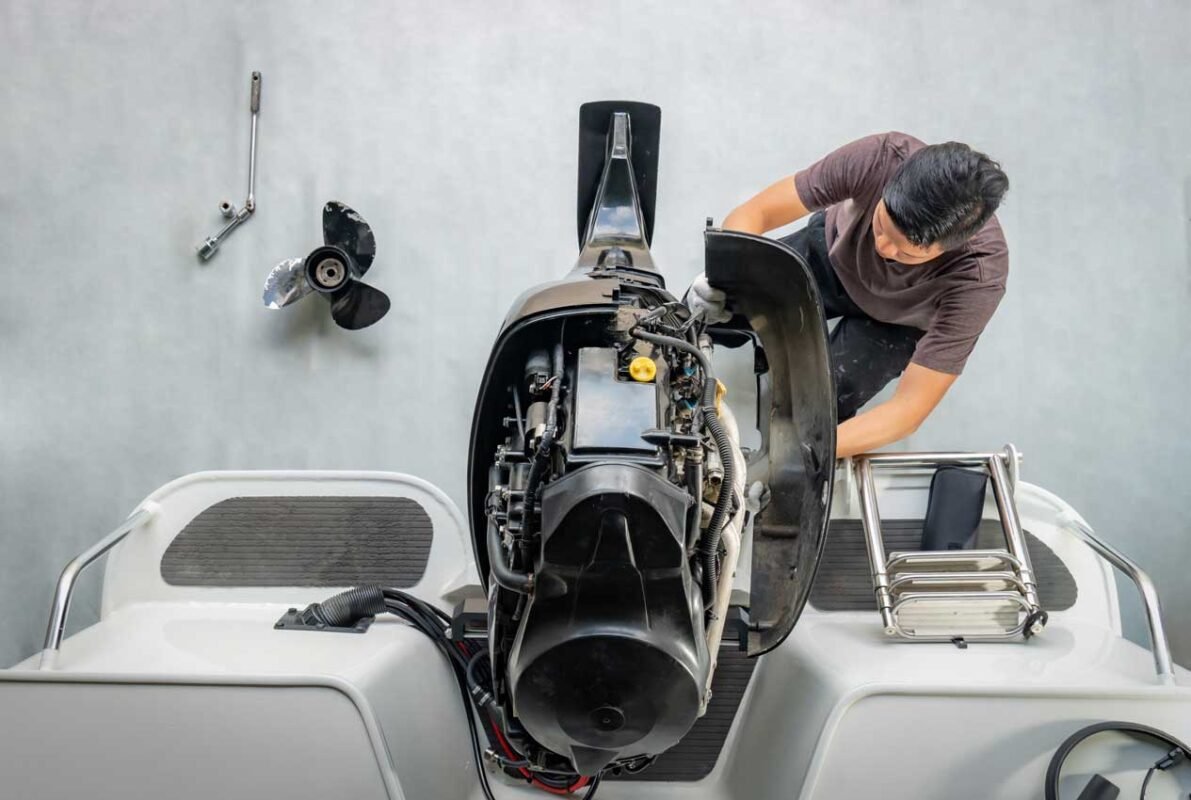
From Yamaha to Suzuki, Honda, Tohatsu, or your next used outboard motor — good care and expert setup let you enjoy trouble-free boating.
💡 Want a Printable Maintenance Checklist?
Comment below or reach out and we’ll send you a free downloadable PDF with maintenance schedules and installation steps.
